Jerkbaits & Trout
How to Swap Treble Hooks for Single Hooks on Jerkbaits
I started swapping my jerkbait trebles more often after anglers asked whether trebles were tearing up trout—especially smaller browns—and whether there was a cleaner way to keep fishing hard baits. This guide is the practical side of that conversation: how to put single hooks on jerkbaits without turning a good plug into a fouling, sideways mess.
I fish a lot of Great Lakes trout and steelhead water, and I still reach for jerkbaits when browns want something moving. Replacing trebles on jerkbaits is a small change that can make releases faster and a little easier on the fish, as long as you respect hook eye orientation and hook direction on the bait.
Below is a straight path through tools, the details that actually matter, and a quick swim test so your trout jerkbait setup still fishes the way you expect.
Related on TroutHunter: Brown trout jerkbait guide (cadence, best jerkbaits for trout, braid-and-fluoro trout jerkbait setup), and brown trout basics for calmer catch-and-release habits on the bank.
Treble Hooks vs Single Hooks on Jerkbaits
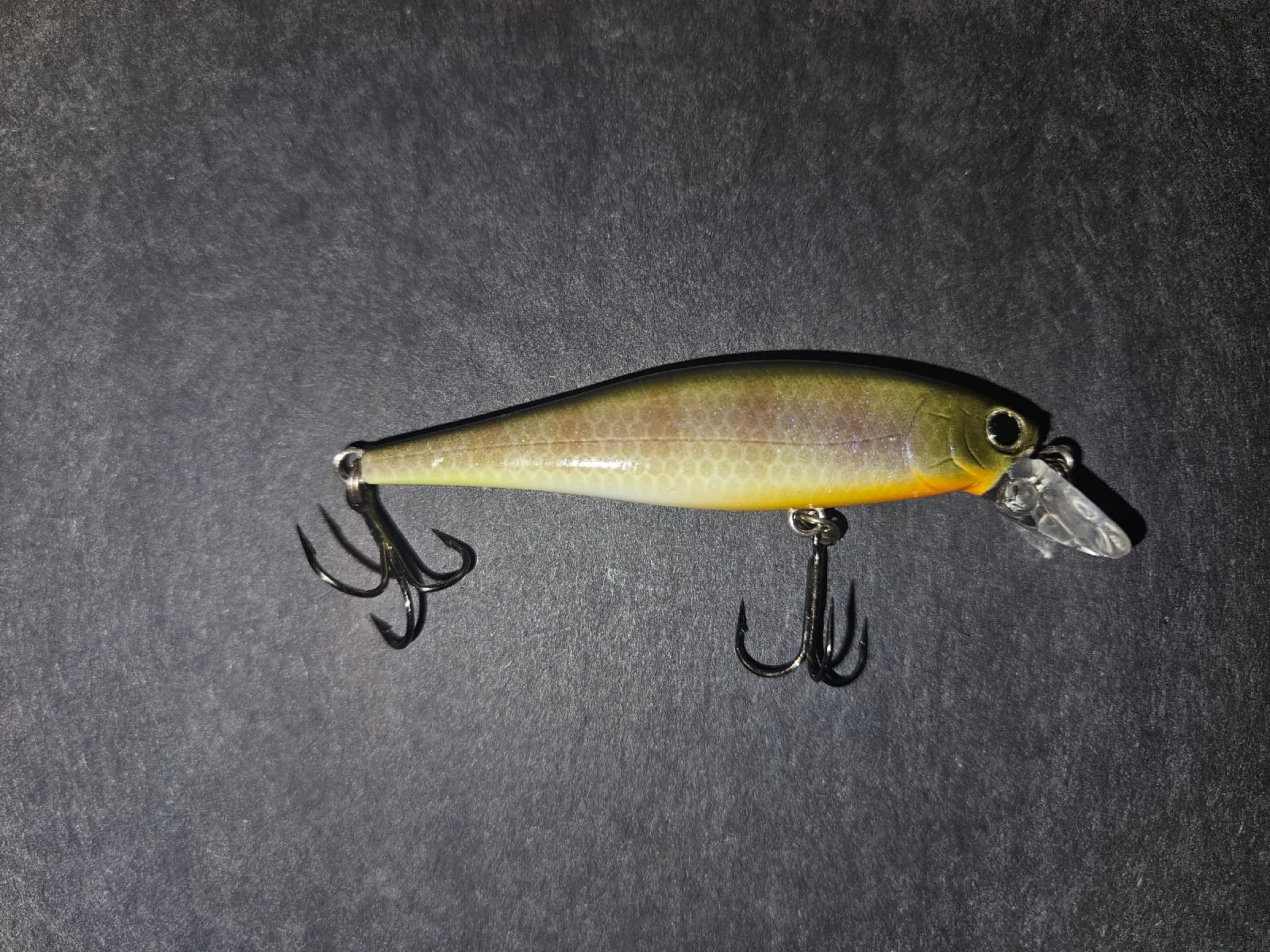
Factory trebles are what most plugs ship with: three points, lots of grab on short strikes, and more hardware in the mouth when a trout actually commits.
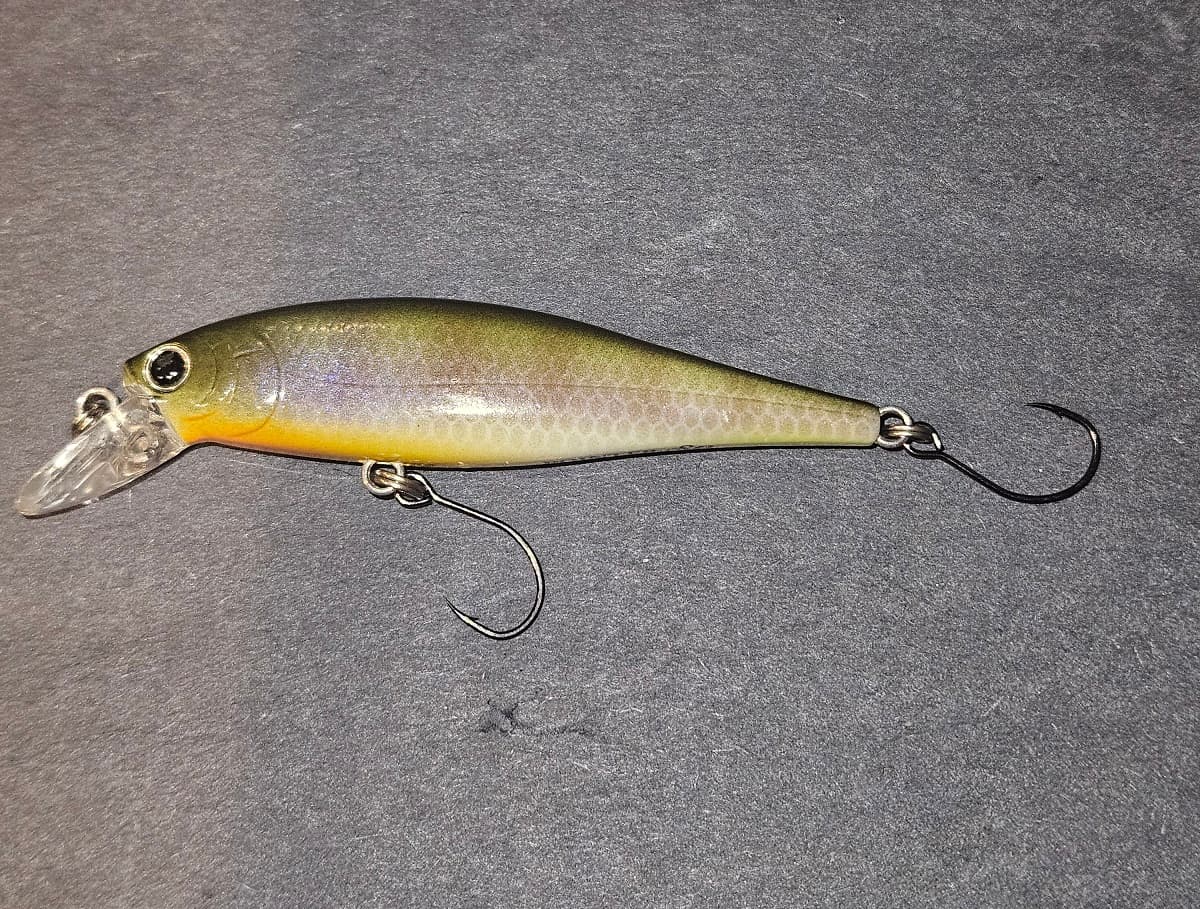
Proper inline single hook setup keeps one sharp point in play, usually with an eye that lines up for split rings so the hook hangs like the lure was meant to roll and pause—not torqued sideways off the belly.
Incorrect hook orientation is the silent killer: the point wants the body, the hook fouls on the pause, or the split ring fights the eye so the bait tracks funny before you ever make a long cast.
Factory treble
Correct inline single
Incorrect hook orientation can cause fouling, poor hookups, and the hook sticking into the bait body.
Why Swap Trebles for Singles
Trebles put a lot of metal in a trout's mouth. That can mean extra holes, more twisting during the fight, and a trickier unhooking job—especially on smaller browns where every bit of handling counts.
Single hooks are usually easier to find, grip with pliers, and back out, which helps when you want a quick release or you are trying to keep fish in the water as much as possible. I am not here to shame anyone for fishing factory hooks; I am here to show a swap that keeps jerkbaits effective when you choose singles.
When you match size and weight reasonably well, single hooks on jerkbaits can still hook up and the lure can keep its signature dart-and-glide. The rest of this guide is about doing that swap treble hooks for single hooks job correctly so jerkbait hooks for trout stay sharp, clear of the body, and true in the water.
If you are still building confidence on the moving-bait side, pair this terminal work with the brown trout jerkbait guide. Pause cadence and seam angles still matter just as much as hook choice once you are on the water.
Tools You Need
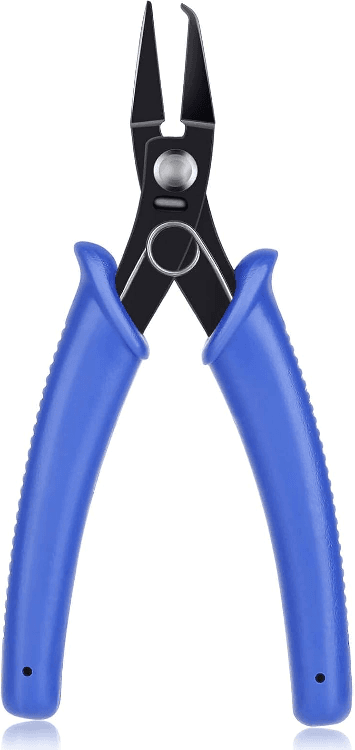
- Split ring pliers: dedicated split ring pliers, or fishing pliers with a split ring tip, make opening rings controlled so you do not wreck the wire.
- Replacement single hooks: sized in the same neighborhood as the stock trebles you are replacing—close enough to preserve action without turning the lure into an anchor.
- Optional extra split rings: if the factory rings are sprung, corroded, or feel soft, replace them while you are already working on the bait.
What you will need to swap treble hooks for single hooks
Split ring pliers
Evatage Split Ring Opener Tool
Compact, spring-loaded split ring pliers that work well for walking hooks on and off lure rings without chewing up the wire. Listed for jewelry and keychain work, but plenty of anglers use the same style for treble and single hook swaps.
Inline single hooks for hard baits
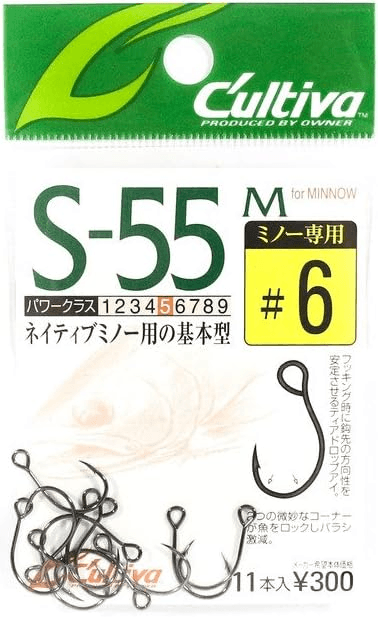
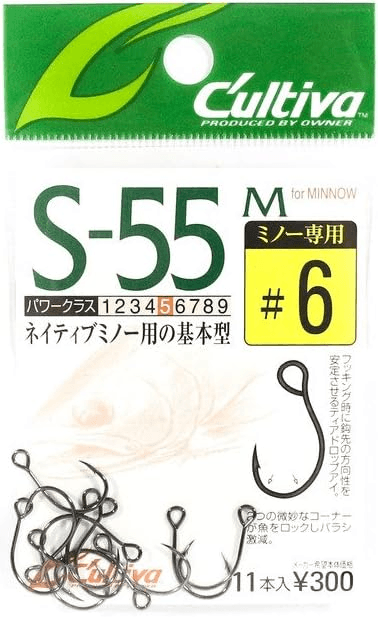
Owner S-55M Single Hook
Look for these Owner S-55M Single Hook, designed for jerkbait treble swaps. They can be hard to find. I have found them on amazon, baitfinesseempire, and tackletruck.
Sizing starting points
A lot of Great Lakes guys I know will replace a #6 treble with roughly a #4 or #2 inline single, depending on wire thickness and how beefy that hook model runs—but brands do not all measure the same, so treat those numbers as a starting point, not gospel. If you oversize badly, you can wreck the plug's action or get hooks tangling each other on short jerkbaits.
These are the Owner S-55M sizes I keep stocked (Amazon):
Fishing pliers with split ring tip
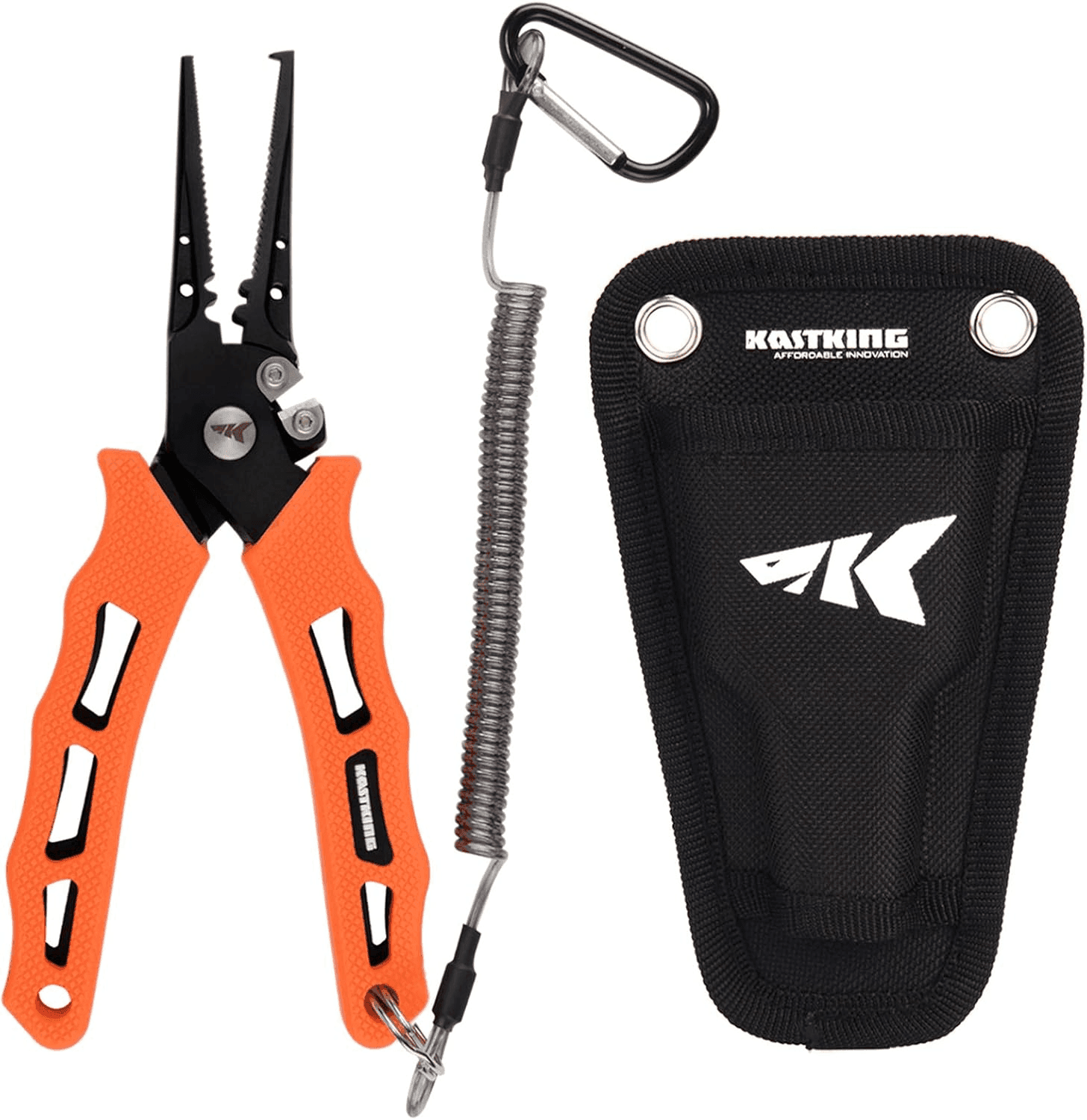
KastKing Cutthroat 7" Fishing Split Ring Pliers
Corrosion-resistant stainless pliers with tungsten carbide cutters. Built for hook removal, split rings, and cutting mono, fluoro, or braid when you are swapping jerkbait hooks at the truck or on the bank.
Split rings on jerkbaits
Most of the time I leave the factory split ring on the bait. It is already sized for the eye of the stock hook, and it is one less variable when you are swapping trebles for singles in a hurry.
That ring is what lets a good inline single swing freely on the pause and dart, which usually keeps the jerkbait action honest and gives the fish a fair angle at the hook instead of a stiff lever arm fighting the body.
If a ring is sprung, corroded, or feels soft when you flex it with pliers, swap it—weak split rings are how hooks walk off mid-fight or chew paint for no reason.
The Most Important Detail: Hook Eye Orientation
Not every single hook belongs on a jerkbait. If the eye does not line up with how the hook hangs off the split ring, the point can cant sideways, lever into the body, or foul on landing. That is the main reason a swap goes wrong—not because singles “do not work,” but because the wrong style was mounted.
Inline single hooks for hard baits are the usual fix when anglers replace trebles on jerkbaits. The eye sits in line with the hook so the hardware tracks like the lure designer expected, instead of kicking the hook into weird angles every time you snap the rod. That is what people mean when they talk about inline single hook orientationon a ring: the eye, shank, and point settle into a line that plays nice with a hard bait's roll and pause.
Before you tighten anything in your mind, hold the new hook on the ring and let it hang. If it looks like it wants to ride into the belly or tail, you probably need a different eye orientation or a different model built for crankbaits and jerkbaits.
Hook Orientation on the Jerkbait
Getting jerkbait hooks for trout right is half hardware and half geometry. Think about where the hook wants to rest when the lure pauses or rolls—and how your inline single hook orientation on the ring lines up with that pause so the point is not hunting the belly or tail by default.
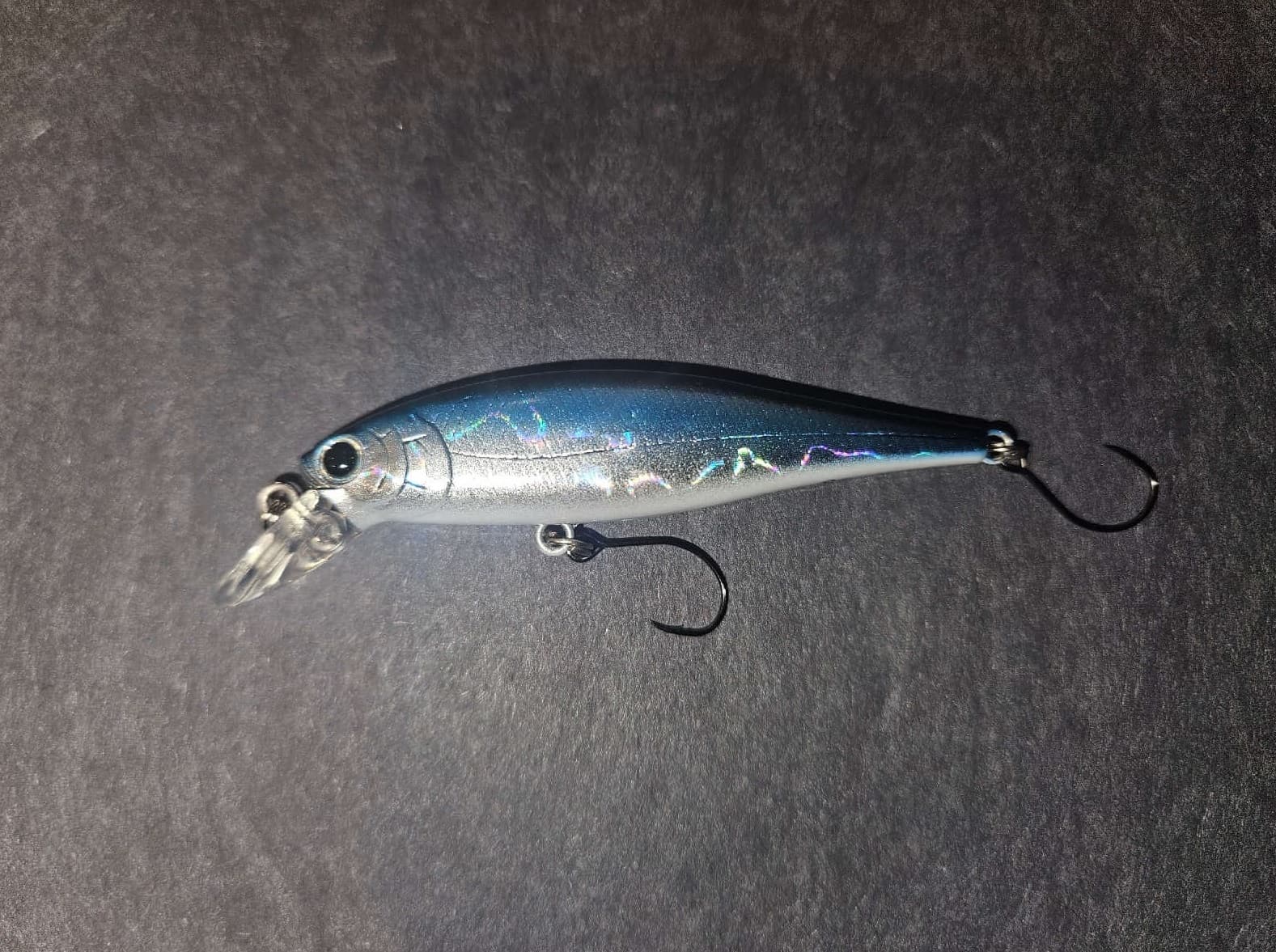
- Front or belly hook: when the hook lays against the body of the jerkbait, the point should face away from the bait, not into the body. If the point digs toward the finish, you will get more fouling, more paint chips, and fewer clean hookups.
- Rear hook: the point should face upward. That keeps the trailer hook from riding wrong on the pause, helps it clear the tail, and reduces the chance the hook tucks under the lure where you do not want it.
If something looks “almost right” on the bench, assume the current and your jerks will make it worse. Adjust before you make the first cast.
Step-by-Step: Replacing Trebles on Jerkbaits
- Open the split ring with split ring pliers—just enough gap to walk the hook off without distorting the coil.
- Remove the treble hook and set it aside (or stash it in a parts box if you might swap back).
- Slide the replacement single hook onto the split ring and fully seat it so the ring closes cleanly.
- Check hook eye orientation: the hook should hang naturally for a hard bait, not fight the split ring.
- Check the front or belly hook point direction: resting against the body, the point faces out—not into the plug.
- Check the rear hook point direction: point facing upward for a clean tail position.
- If you can, test the bait in water and watch a few pauses. You are confirming tracking, roll, and that hooks are not kissing each other when you work the lure.
Pro Tip
Before fishing, test the bait beside the bank for a few seconds. A quick swim test will immediately show if the hooks are fouling or if the bait lost its suspend or tracking action.
Cautions
- Changing hook weight can nudge how a suspending jerkbait sits between twitches. If the lure sinks faster, floats higher, or loses balance, treat that as feedback—not a mystery.
- If the bait sinks or floats differently after replacing trebles on jerkbaits, try a different hook size or a slightly lighter or heavier single in the same general class until the pause looks right again.
- Do not oversize singles too much. Big hooks add drag, change roll, and make tangles more likely.
- Make sure the front and tail hooks are not reaching for each other on short plugs. A swim test catches that fast.
Common Mistakes
- Buying the wrong eye orientation and wondering why the hook always kicks wrong.
- Installing the front hook so the point wants to dig into the body.
- Going too large on hook size and blaming the jerkbait for “bad action.”
- Reusing weak split rings that flex open under a good fish.
- Skipping the water test and discovering fouling or tangling mid-trip.
Do Single Hooks Miss More Fish?
Honestly? Sometimes. Trebles cover more real estate, and on a short strike or a lazy grab they can pin meat where a single might slide.
In my experience, a properly sized inline single still sticks browns and steelhead plenty clean when they mean it. A lot of us accept a small hookup trade for faster releases, less tearing on smaller fish, and fewer hooks flailing during the unhook—especially when you are trying to be gentle on trout you plan to let go. It lines up with the same catch-and-release mindset I keep in mind in the brown trout fishing guide: calm handling beats squeezing another half percent of hookups out of a plug.
If you are on the fence, fish the swap for a few trips before you judge it. The way a fish eats a jerkbait on your home water matters more than what Instagram insists is "optimal."
Best For
Brown trout jerkbait fishing
When browns are slashing at minnows and you want hard-bait drawing power with simpler hookups.
Catch-and-release trout fishing
Faster unhooking and less hardware in the mouth can mean less time out of the water.
Small streams
Tight quarters where you want fish back in the current quickly and cleanly.
Barbless or easier-release setups
Singles pair well with barbless or pinched barbs when you still want confidence on the hookset.
Anglers who want hard baits without extra damage
Keep fishing jerkbaits—just dial the terminal end so it matches how you treat fish.
FAQ
Can you put single hooks on jerkbaits?
Yes. Many anglers run single hooks on jerkbaits for trout and steelhead. The key is using the right hook style—usually inline single hooks for hard baits—and mounting them so the bait still tracks and the points clear the body.
What hooks do I need to replace trebles?
Look for singles sized close to the factory trebles, with an eye orientation meant for split rings on hard baits. Inline single hooks for hard baits are the most common choice when replacing trebles on jerkbaits because they hang correctly from the ring.
Which way should single hooks face on a jerkbait?
On the front or belly hook, when the hook rests against the body, the point should face away from the plug, not into the paint. On the rear hook, the point should face upward. Inline single hook orientation on the split ring is the other half of the puzzle—when the eye lines up for a hard bait, the point attitude usually stays honest in the water, which cuts fouling and keeps hooks from riding into the finish.
Will single hooks change how my jerkbait swims?
They can, slightly. Hook weight affects suspenders the most. If the bait sinks, floats, or rolls differently after you swap treble hooks for single hooks, try a different hook size or weight, avoid oversized singles, and retest in water.
Are single hooks better for trout?
They are not magic, but single hooks on jerkbaits are often easier on fish and quicker to remove, especially on smaller browns and in catch-and-release situations. Hook placement and careful handling still matter.
Bottom Line
Swapping treble hooks for single hooks on jerkbaits is a small rigging job with a big dependency on details: correct inline-style hardware, smart hook direction, and a quick swim check. Get those right and you keep the fun of jerkbaits while making life a little easier on the trout you release.