Bass · Finesse
Ned Rig Bass Fishing Guide (Setup, Tips, Best Baits & How To Fish It)
The ned rig is one of the best finesse bass fishing techniques when bites are tough, fish are pressured, or aggressive lures are getting ignored. It is a small, slow, bottom-oriented presentation that still catches bass on ponds, lakes, and slow river pockets.
If you are new to ned rig bass fishing, think mushroom jig plus short soft plastic, light line, and a retrieve that favors pauses over speed. This guide walks through setup, how to fish it, and the mistakes that cost beginners fish.
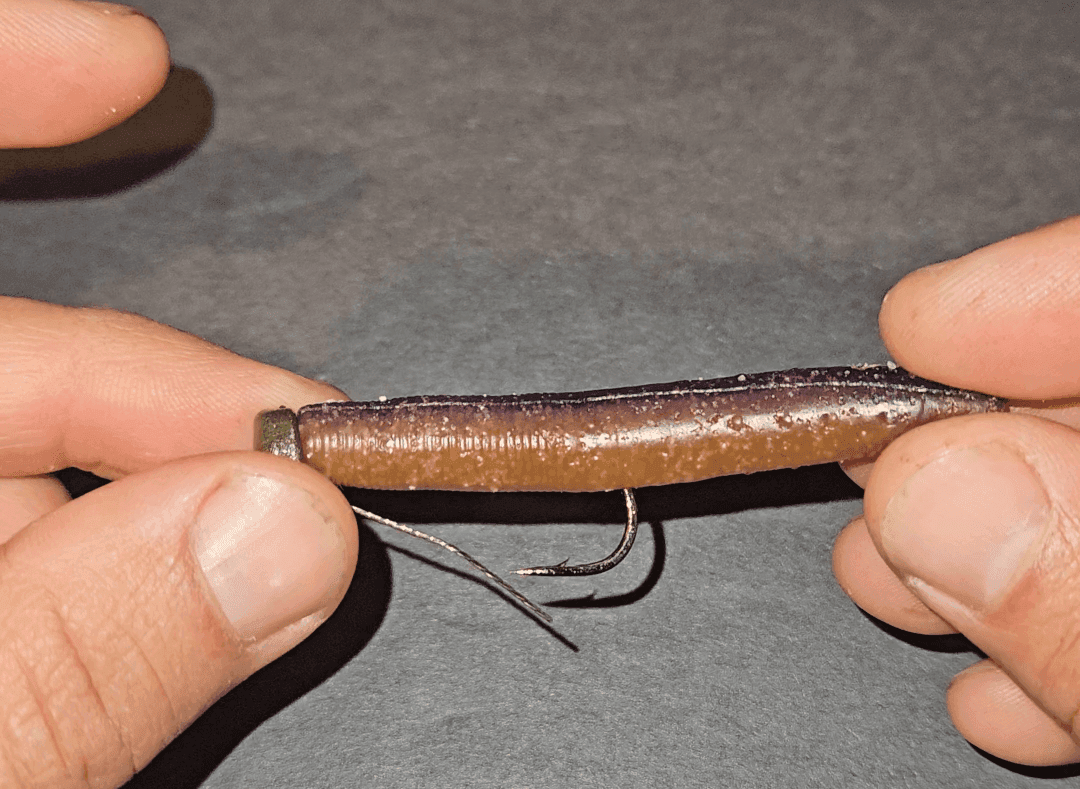
What is a ned rig?
A ned rig is a finesse bass technique built around a mushroom-shaped jig head and a short, buoyant soft plastic—most often a stick-style bait like the Z-Man Finesse TRD 2.75". The head stands the bait up on the bottom so it looks like something feeding, not fleeing.
Compared with faster moving lures, the ned rig is subtle: small profile, slow movement, and a presentation that stays in the strike zone. That makes it excellent for pressured bass, clear water, and difficult conditions when fish want an easy meal instead of a chase.
Why the ned rig works
Small natural profile
The compact bait looks like an easy meal—crawfish, goby, or bottom snack—not a loud lure charging through the column.
Slow subtle action
A gentle drag and pause mimics something scooting along the bottom instead of fleeing. That is what shut-off bass often want.
Stays near bottom
The mushroom head keeps the bait in the strike zone where bass feed. Most of your casts should be about bottom contact, not burning the surface.
Works when aggressive lures fail
When chatterbaits, crankbaits, and fast moving baits get ignored, a ned rig can still get bit because it is finesse, not flash.
Basic ned rig setup
Keep the system light and simple. Lighter jig heads are usually better in shallow water; step up only when wind or depth makes it hard to feel bottom.
Spinning rod
A 6'6"–7' medium-light or light-power rod with a soft tip helps cast light heads and detect subtle bites.
Spinning reel
A 2000–3000 size spinning reel balances well with finesse line and keeps things simple for beginners.
Light braid mainline
10–15 lb braid telegraphs ticks and line jumps to your hands. Pair it with a smooth drag for close-quarters fights.
Fluorocarbon leader
6–10 lb fluoro, roughly 6–12 feet, adds stealth in clear water and helps the small jig fall naturally.
Mushroom jig head
1/16- to 1/8-ounce heads are common. Lighter jig heads are usually better in shallow water; bump up slightly for wind or deeper docks.
Z-Man Finesse TRD 2.75"
The classic ned bait: durable, buoyant, and easy to rig straight on the jig. Trim less, fish more.
Pair this setup with our wacky rig for bass guide when fish want a slower falling stick worm instead of a bottom scoot.
How to fish a ned rig
- Cast out.Target docks, rock, grass edges, and points where bass can ambush from shallow cover.
- Let the bait sink to the bottom.Watch for line ticks on the fall—some fish eat before you ever move the rod.
- Slow drag retrieve.Short drags along the bottom, keeping the bait scooting—not swimming mid-column.
- Pause often.Let the bait stand up on the mushroom head. Hesitate longer than feels natural.
- Maintain bottom contact.Occasional ticks on rock or sand tell you the rig is in the right zone.
Key tip: Many bites happen during the pause—not on the drag. When the line jumps or goes slack, reel down and set with a controlled sweep.
Best conditions for a ned rig
The ned rig shines when bass are not in a chasing mood. Reach for it when:
- Pressured ponds and community lakes
- Clear water where fish get a long look at your bait
- Post-frontal conditions and bluebird skies
- Cold fronts when bass slide tight to cover
- Heavily fished lakes with educated fish
- Finicky bass that follow but will not commit to moving baits
Common ned rig mistakes
Fishing too fast
The ned rig rewards patience. Slow down your drag and lean into longer pauses.
Using too heavy of a jig head
Oversized heads crash into rocks and feel wrong in skinny water. Start light and adjust.
Overworking the bait
Big hops and constant rod pumping look unnatural. Think scoot, pause, scoot.
Setting the hook too aggressively
A firm sweep is enough—braid and fluoro do not need a trout-style rip.
Not maintaining bottom contact
If you are not ticking bottom occasionally, you are probably fishing too high in the water column.
Recommended ned rig gear
Starter picks for mushroom heads, TRD baits, and line. See also recommended reels, line, and hooks.
Mushroom jig heads (ned rig)
1/16- to 1/8-ounce finesse heads with a stand-up mushroom profile for bottom-hugging presentations.
Z-Man Finesse TRD 2.75"
The go-to soft plastic for ned rig fishing—tough, buoyant, and easy to rig on a light mushroom head.
Finesse casting rod (medium-light)
A 6'6"–7' medium-light baitcaster with a soft tip for casting light ned heads and reading subtle bites on the bottom.
Braid mainline (10–15 lb)
Sensitive braid for feeling bottom and detecting line ticks on finicky fish.
Fluorocarbon leader (6–10 lb)
Low-visibility leader material for clear ponds and pressured bass.
FAQ
What size ned rig is best?
A 2.75-inch soft plastic on a 1/16- to 1/8-ounce mushroom jig head is the standard starting point. Go lighter in shallow water and slightly heavier when wind or depth demands more bottom contact.
What line should I use for a ned rig?
Use 10-15 lb braid as main line for sensitivity and casting, then tie on a 6-10 lb fluorocarbon leader of roughly 6-12 feet. The leader keeps the presentation stealthy in clear water while braid helps you feel subtle bites.
When should you throw a ned rig?
Throw a ned rig when bass are pressured, finicky, or not chasing moving baits—clear water, post-frontal skies, cold fronts, and heavily fished ponds and lakes are classic ned rig conditions.
Is a ned rig good for beginners?
Yes. The retrieve is simple: cast, sink, slow drag, pause. There is less to memorize than with crankbaits or jerkbaits, and the small profile builds confidence when fish are tough.
What colors work best?
Green pumpkin, watermelon, and natural browns are reliable in clear water. Try black and blue or darker profiles in low light. On tough days, match the bottom—mud, sand, or rock—and keep the profile subtle.
Keep learning
Explore more bass and finesse content on TroutHunter, save this guide for your next tough bite day, and follow TroutHunterUSA on Instagram for rigging tips and on-the-water ideas.